June 21, 2026
Logistics 4.0: A complete guide to the digital transformation of the sector
In a global market characterised by constant change, the exponential growth of e-commerce and increasing demand for immediacy, the supply chain has become the epicentre of business competitiveness. Companies must be agile, intelligent, resilient and capable of anticipating an ever-evolving environment. To achieve this, simply digitalising processes is no longer enough; a fundamental shift in mindset is required.
This end-to-end transformation of logistics presents ongoing challenges as well as new opportunities for improvement. In this context, a leading operator such as Logista is at the forefront of the sector, offering a wide range of possibilities.
All of this is driving the pursuit of greater efficiency in order to deliver a comprehensive service under optimal conditions. This is where Logistics 4.0 emerges as an essential strategic enabler. It represents a comprehensive transformation that redefines logistics operations from the ground up, shifting from a reactive model to a predictive and preventive approach that anticipates and avoids potential issues, making operations more efficient.
This definitive guide, based on Logista's experience as a European leader in the sector, explains what Logistics 4.0 is and explores its key pillars. Through real-world examples and practical applications drawn from our operations, we will demonstrate how this transformation creates measurable value. We drive efficiency, promote sustainability and, ultimately, help build the supply chains of the future.
What is Logistics 4.0? Beyond digitalisation
Improvements in logistics have always been closely linked to major advances in production models. In its time, Industry 3.0 gave rise to Logistics 3.0, which focused on the automation and digitalisation of isolated processes.
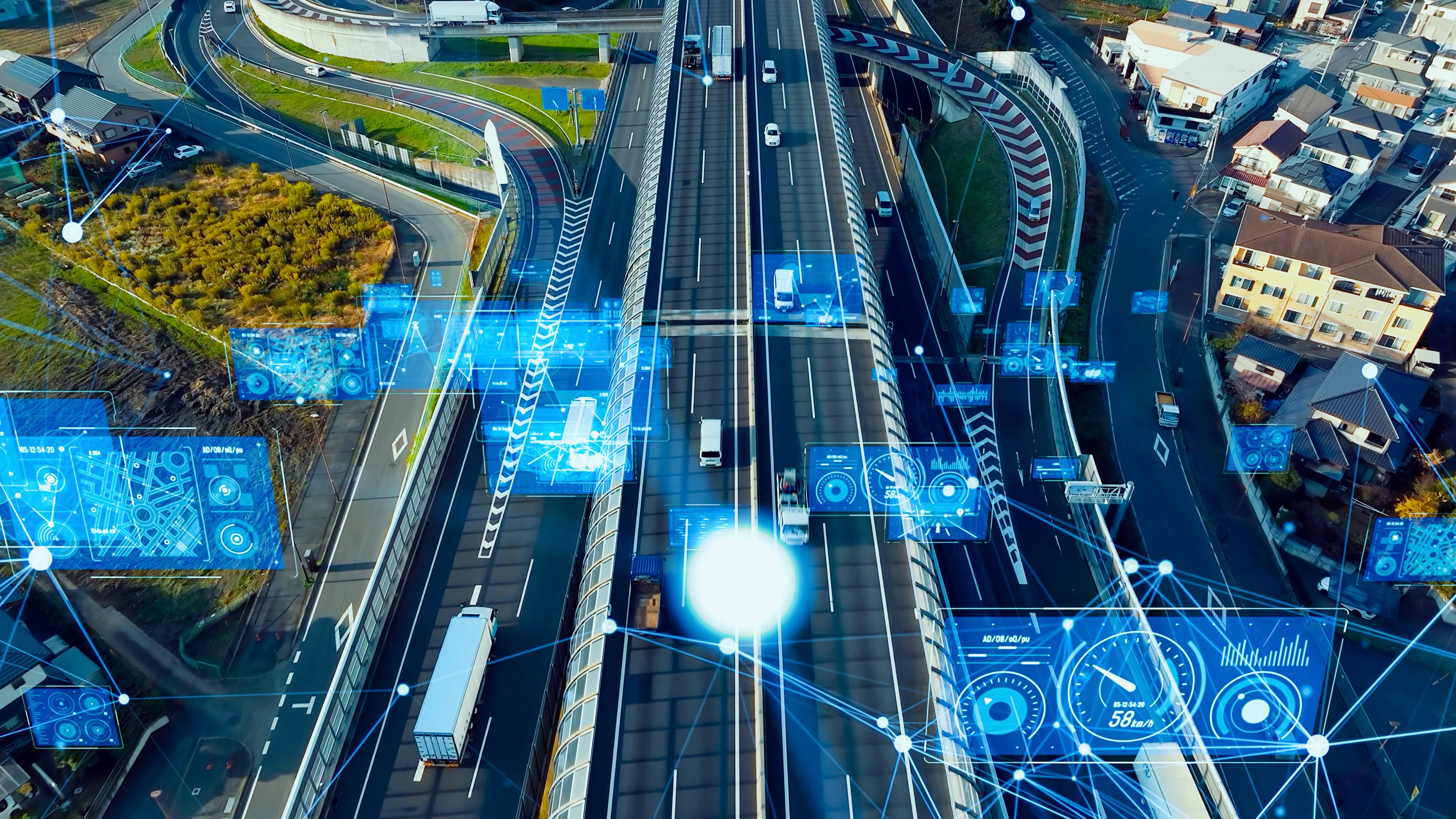
Logistics 4.0, unlike its predecessor, is not only digitalised and automated but also intelligent. Enabled by Big Data, the Internet of Things (IoT) and the development of new Artificial Intelligence models, it operates through the holistic interconnection of multiple systems communicating with one another in real time, creating a cohesive cyber-physical ecosystem. In other words, it enables real-time communication between machines, systems, assets and people. This system not only relies on historical data to operate, but also incorporates real-time information, allowing it to make autonomous and optimised decisions.
We are witnessing a fundamental shift in paradigm. Unlike corrective models, which are often more costly, this approach to logistics operates in a predictive and preventive manner. By leveraging available data, organisations can anticipate requirements and, in doing so, improve operational performance across all areas.
The number of connected and interconnected devices has increased significantly. Beyond computers, this now includes drones, tablets, lorries and smartwatches. Logistics innovation extends across every stage of operations, from procurement to final delivery.
In essence, Logistics 4.0 transforms the supply chain into a living ecosystem that is intelligent, interconnected and capable of predictive action. To better understand this evolution, the following table outlines the key differences between the two models.
Table 1: The evolution from Logistics 3.0 to Logistics 4.0
Characteristic | Logistics 3.0 | Logistics 4.0 |
Primary Focus | Task automation and document digitalisation. | End-to-end supply chain integration and process simulation, enabling intelligent decision-making and automated actions. |
Key Technologies | ERP, WMS (Warehouse Management Systems), fleet management systems. | IoT, AI, Big Data, Cloud Computing, Blockchain. |
Data Flow | Linear and often siloed. Data is primarily used for record-keeping. | Networked and real-time. High responsiveness and processing capacity to handle fluctuating demand through cloud environments. Data is used to predict, simulate, optimise and support decision-making or execute actions automatically. |
Operating Model | Reactive. Responds to events such as orders and operational incidents. | Predictive and preventive. Anticipates requirements and potential disruptions. |
Decision-Making | Based on historical reports and human expertise. | Driven by real-time data analytics and AI-powered automated decision-making, with the ability to translate decisions directly into actions. |
The technological pillars of logistics digital transformation
Logistics 4.0 is a tangible reality built upon a range of advanced technologies that enhance efficiency, visibility and control. This digital transformation of logistics is underpinned by five key elements that deliver tangible results in day-to-day operations.
IoT (Internet of Things)
The Internet of Things (IoT) refers to a network of connected devices such as vehicles, containers and sensors that collect and exchange data in real time, enabling greater operational visibility and efficiency.
Logista Pharma's fleet uses IoT sensors to monitor temperature and humidity, ensuring the integrity of pharmaceutical products and compliance with Good Distribution Practice (GDP) requirements. Likewise, Volvo FH Aero lorries monitor performance, fuel consumption and maintenance requirements in real time, optimising fleet management.
Cloud Computing
Cloud Computing enables the storage of large volumes of data, which can then be processed and analysed. Compared with on-premises systems, this model removes the need for costly infrastructure and makes information accessible from anywhere.
Our cloud platform provides large-scale data storage with high capacity and optimised response times, while also supporting seamless integration with multiple devices and information sources.
Big Data and Predictive Analytics
Big Data enables the analysis of vast datasets to identify patterns, correlations and trends, all of which are essential for informed decision-making. In other words, it allows organisations to move beyond a descriptive approach towards a predictive model.
Logista uses both historical and real-time data to forecast demand, optimise inventory levels by avoiding stock shortages and overstocking, and plan efficient routes, reducing both costs and delivery times.
Artificial Intelligence and Machine Learning
Artificial Intelligence (AI) equips systems with human-like capabilities such as learning, reasoning and decision-making. In Logistics 4.0, it drives the automation and optimisation of complex processes through the effective use of data.
AI dynamically optimises logistics routes by recalculating journeys in real time when unforeseen events occur. Meanwhile, Machine Learning models support predictive fleet maintenance by anticipating potential failures, helping to minimise downtime and maintenance costs.
Blockchain
This emerging technology provides an immutable, transparent and secure digital ledger, making it ideally suited to traceability and trust across complex supply chains involving multiple stakeholders.
In the highly regulated pharmaceutical sector, blockchain helps guarantee product authenticity and combat counterfeiting. By recording every stage of the supply chain, it creates a tamper-proof audit trail that supports regulatory compliance and safeguards product integrity.

Strategic benefits of logistics innovation
Digital logistics transformation, and with it Logistics 4.0, is a strategic investment that delivers numerous tangible and measurable benefits, enhancing profitability, resilience and corporate reputation.
Operational efficiency and cost reduction
The primary benefit is improved logistics efficiency, driven by the automation and optimisation of operations and supported by real-time monitoring. When disruptions occur in the field, they can be addressed more quickly, while potential issues can be anticipated before they escalate. As a result, operating costs can be reduced by up to 30% during service delivery.
Unprecedented visibility, resilience and traceability
The end-to-end visibility provided by Integrated Logistics 4.0 delivers enhanced traceability and transparency across the entire supply chain. Comprehensive oversight of every stage of the process, from origin to final delivery, helps ensure the highest standards of service. In addition, the ability to identify and respond rapidly to disruptions strengthens the resilience of logistics operations.
Towards more sustainable logistics
Another key aspect of logistics innovation is sustainability. In line with the objectives of the 2030 Agenda, digital optimisation plays a crucial role in reducing the carbon footprint of logistics processes. By minimising errors and making more efficient use of resources, organisations can significantly improve their environmental performance and achieve greater sustainability.
A superior customer experience
Finally, these innovations help to enhance and optimise the customer experience. Speed and accuracy are among the factors most valued by customers, and Logistics 4.0 plays a key role in delivering both, helping organisations provide a more reliable, responsive and customer-focused service.
The human factor: a people-centred transformation
Within a logistics company, technology does not eliminate jobs; rather, it transforms them and adds value. The key is enabling people to focus on the activities that truly make a difference.
As digital transformation initiatives are introduced, employees can devote more time to analysis, strategy and creativity. In other words, they can focus on the activities that generate long-term value for the business.
Innovation is an integral part of an organisation's culture of change. In this context, factors such as leadership and talent development (upskilling) become increasingly important, as a technology-driven company that uses innovation intelligently is more attractive to highly skilled professionals.
Ultimately, it is the human factor that will make the difference in the long term. Technology should therefore be viewed as an enabler, empowering people to maximise their potential and create greater value for the organisation.
Logista: a strategic partner in digital transformation
At Logista, we have been committed to logistics innovation for many years. We are a leading distribution company in Spain, serving more than 200,000 points of sale, and hold ISO 9001 certification. Our expertise is reflected in a number of concrete initiatives that demonstrate this commitment:
● Fleet Modernisation: Logista continuously renews its fleet to enhance operational performance, connectivity and overall service quality and efficiency. As part of this commitment, we have incorporated the Volvo FH Aero into our transport operations.
● Leadership in Pharmaceutical Logistics: through Logista Pharma, we are a leading provider of pharmaceutical logistics services. We hold both GDP and GMP certifications and work continuously to improve traceability throughout the supply chain.
● Supporting Future-Focused Projects: we collaborate with the Universitat Politècnica de València (UPV) on the Hyperloop UPV project, which aims to further develop a technology with the potential to transform the future of logistics.
Digital logistics transformation is now a strategic imperative. However, its successful implementation requires the necessary know-how to understand how best to leverage these technologies and where to apply them across the supply chain. Through its specialised business divisions, Logista delivers high-quality solutions backed by its position as a market leader in Spain. We are a trusted partner for companies across all sectors, with specialists who design and implement the most appropriate solution for each organisation's specific needs.
The information published on this website is of a general nature and is not intended to meet any individual needs. It does not constitute professional or legal advice and its content is for information purposes only and should not under any circumstances be used or considered as an offer to sell, a solicitation of an offer to buy or a recommendation to enter into any other transaction.
Logista has obtained the information, multimedia content and materials contained on the Website from sources it believes to be reliable, but while Logista has taken all reasonable steps to ensure that the information contained therein is correct, Logista expressly disclaims any liability for errors or omissions in the information contained in the pages of this Website. Logista reserves the right to modify, suspend, cancel or restrict the content of the Website, links or information obtained through the Website, without prior notice. Logista shall not be liable for any damages that may arise from the use of the information on the Website.