April 22, 2026
The role of the integrated logistics operator

Product quality is no longer the only factor that determines business success in today’s environment. Competitive advantage increasingly depends on the ability to deliver products to the right place, at the right time, and under optimal conditions. In this context, logistics operators have evolved into strategic business partners, capable of driving value creation and unlocking new growth opportunities.
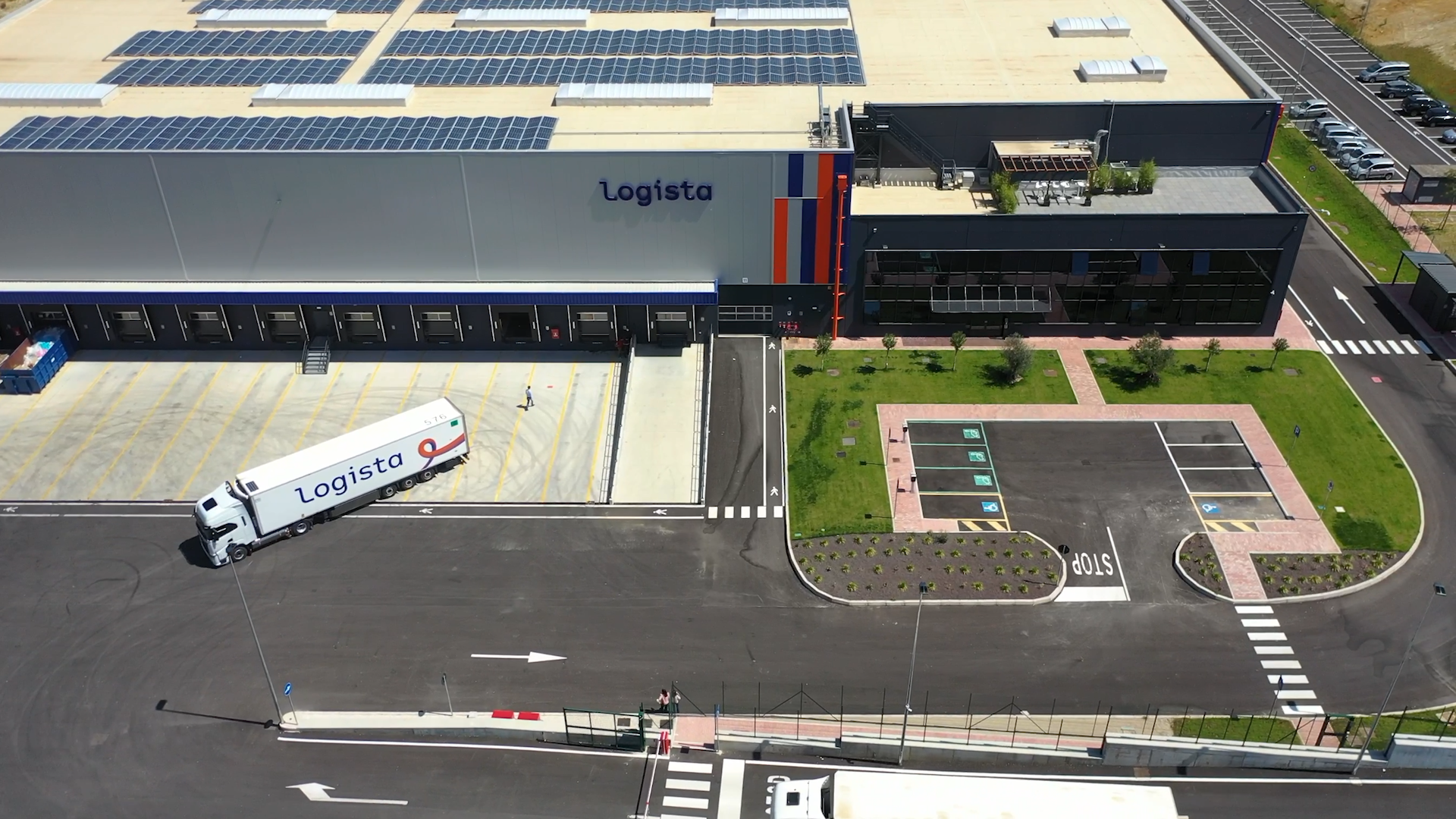
At Logista, this evolution takes shape through an integrated logistics operator model that goes beyond traditional transportation. Through proprietary technology, a robust infrastructure, operational excellence, and a strong commitment to sustainability, we help our clients improve efficiency, strengthen their supply chains, and generate measurable business value.
For companies seeking to adapt to dynamic and demanding environments, outsourcing logistics is not an additional cost but an investment in efficiency. Every sector—industrial, pharmaceutical, healthcare, retail, publishing, and e-commerce—has specific requirements, which is why we design tailored solutions that address the unique challenges of each industry, acting as an extension of our clients’ businesses.
What is an Integrated Logistics Operator?
From 1PL to 5PL
An integrated logistics operator (typically 4PL/5PL) is a specialized external provider that manages, coordinates, and optimizes an end-to-end supply chain, from raw materials to final delivery, including reverse logistics.
There are different levels of integration within the logistics market:
● 1PL and 2PL (basic logistics): transportation and basic warehousing activities.
● 3PL (outsourced logistics): management of logistics flows and operational coordination through dedicated resources and technology.
● 4PL and 5PL (advanced supply chain management): a specialized provider that oversees the entire supply chain, from procurement to final delivery, including reverse logistics. The operator acts as a global supply chain manager, leveraging data analytics, artificial intelligence, and advanced technologies to anticipate demand, optimize planning, improve decision-making, reduce inefficiencies, and maximize logistics network performance.
Key Functions of a Logistics Operator
An integrated logistics operator coordinates every stage of the process to ensure seamless and reliable operations. Its key functions include:
● Order fulfillment (picking and packing): the automation of these processes helps meet the most demanding operational and regulatory requirements, particularly in highly regulated industries.
● Advanced warehouse management: goes beyond simple storage by ensuring the highest standards of safety, traceability, and inventory control, including temperature-controlled conditions when required.
● Inventory control and real-time tracking: access to accurate, real-time information supports faster and more informed decision-making, helping businesses anticipate issues and optimize stock levels.
● Distribution and last-mile delivery: a well-designed network enables efficient delivery to multiple destinations, adapting to the specific needs of each market and supported by solutions such as multimodal transportation.
● Returns management and circular economy: logistics does not end with delivery. Efficient returns management supports more responsible operations, optimizes resources, and contributes to companies’ sustainability goals.
Industry Challenges and the Benefits of an
Integrated Model
Working with an integrated logistics operator makes it possible to convert fixed costs into variable costs while gaining access to advanced technologies without the need for significant upfront investment. This allows companies to improve service levels while preserving liquidity and operational flexibility.
At the same time, the logistics sector faces increasingly complex challenges:
● Sustainability: reducing carbon emissions has become a strategic priority for businesses. Logista’s commitment to sustainability has been recognized through its consecutive inclusion in CDP’s “A List.” To support this goal, the company continues to invest in a more efficient fleet and promote circular economy initiatives, combining sustainability with operational efficiency.
● Digitalization: interoperability between systems and effective data management are critical to modern supply chains. Investment in technology platforms and cybersecurity is essential to ensure information flows as efficiently as goods themselves.
Logista: Strategic Vision and Long-Term
Operational Capability
The difference between a logistics provider and a strategic partner lies in the ability to anticipate challenges, identify opportunities, and make informed decisions that support long-term business objectives.
At Logista, our model is built on data, technology, and the progressive integration of sustainability criteria. The ESG Strategic Plan 2024–2026 sets clear objectives, including ensuring that 90% of planned kilometers by 2026 are covered using sustainable transport solutions, through the use of biofuels, electric fleets, and high-capacity configurations such as duo-trailers.
In fiscal year 2025, Logista grew by 3%, surpassing €1.809 billion in sales. This growth enables the company to maintain its pace of investment in technology, security, and infrastructure.
For our clients, this translates into greater stability, business continuity, and the confidence of working with a strategic partner capable of supporting long-term growth, even in rapidly changing and complex environments.
The information published on this website is of a general nature and is not intended to meet any individual needs. It does not constitute professional or legal advice and its content is for information purposes only and should not under any circumstances be used or considered as an offer to sell, a solicitation of an offer to buy or a recommendation to enter into any other transaction.
Logista has obtained the information, multimedia content and materials contained on the Website from sources it believes to be reliable, but while Logista has taken all reasonable steps to ensure that the information contained therein is correct, Logista expressly disclaims any liability for errors or omissions in the information contained in the pages of this Website. Logista reserves the right to modify, suspend, cancel or restrict the content of the Website, links or information obtained through the Website, without prior notice. Logista shall not be liable for any damages that may arise from the use of the information on the Website.